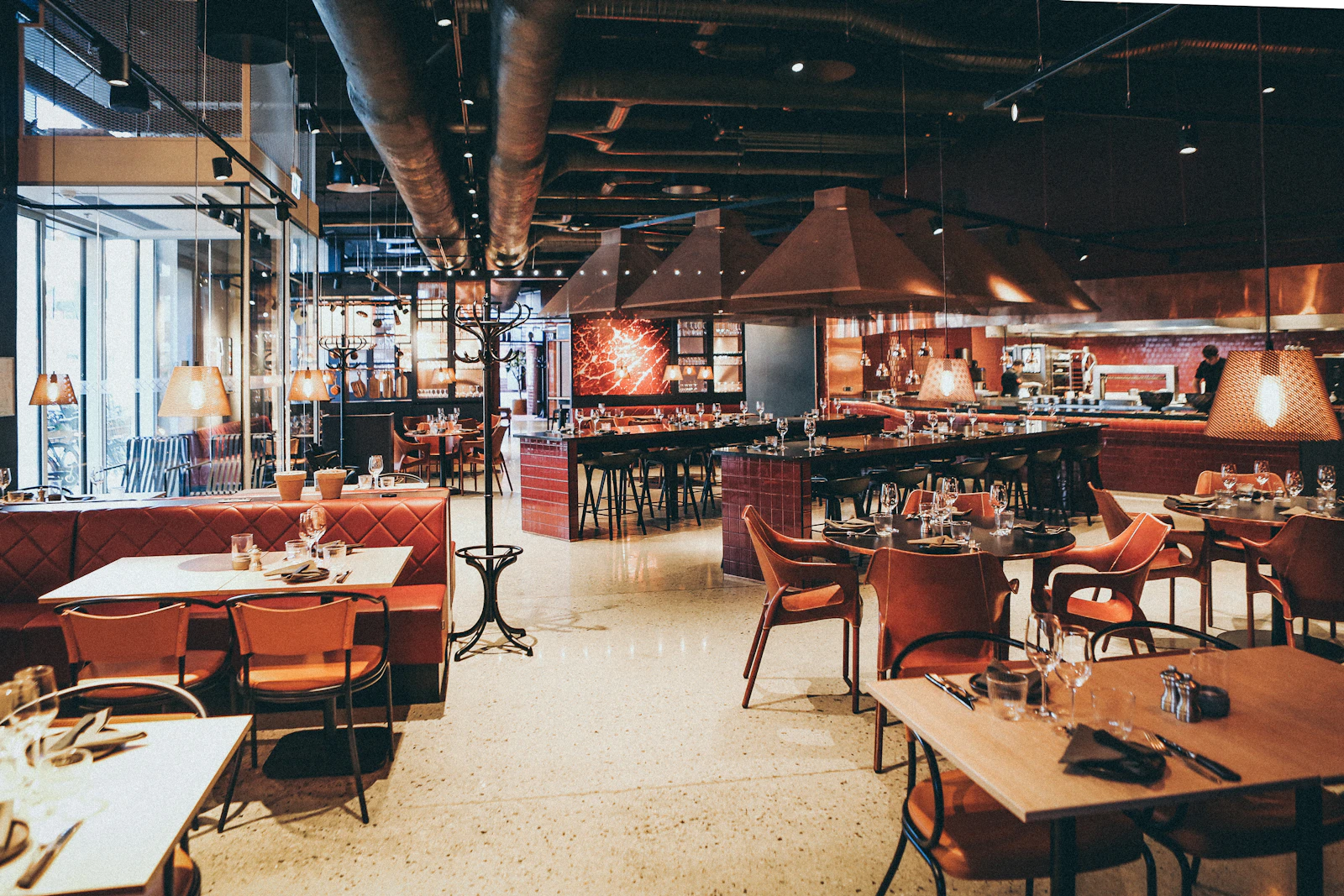
From 3.8 Stars to 4.6 in 90 Days: How a Family Italian Restaurant Rebuilt Its Online Reputation and Revenue with AI
Discover how Rosario's Trattoria partnered with Kitxens to recover from a 3.8-star rating, eliminate phone abandonment, and boost direct orders by 47% in 90 days.

From 3.8 Stars to 4.6 in 90 Days: How a Family Italian Restaurant Rebuilt Its Online Reputation and Revenue with AI
Introduction: The Weight of a Declining Rating
For nearly a decade, Rosario's Trattoria stood as the undeniable heartbeat of its neighborhood in Austin, Texas. Founded by Marco Rosario and his sister Elena in 2018, the restaurant was built upon time-honored family recipes, imported ingredients sourced directly from Italian artisans, and an uncompromising commitment to warm, familial hospitality. For the first five years of its operation, Rosario's enjoyed a stellar online reputation, hovering comfortably between 4.4 and 4.6 stars across Google, Yelp, and TripAdvisor. Local residents knew it as the premier destination for handmade carbonara, wood-fired branzino, and a bustling dining room where regular guests were greeted by name before they even reached their table.
Yet, by early 2026, the restaurant's digital facade told a dramatically different story. A casual scroll through Google Maps revealed a troubling rating of 3.8 stars. More alarming than the numerical drop itself were the specific operational complaints accumulating in the review sections. Diners wrote of unanswered phone calls during weekend rushes, orders that took twice as long as promised, inconsistent food quality due to kitchen stress, and a general feeling that the establishment had lost its personal touch. Year-over-year revenue was down 22 percent, table turns were sluggish, and Marco and Elena were working eighty-hour weeks just to keep the doors open, trapped in a relentless cycle of operational triage.
What happened at Rosario's is a cautionary tale familiar to thousands of independent restaurant operators across the country. In an era where digital reputation dictates consumer choice before a single dish is tasted, operational friction online translates immediately to financial decline offline. This comprehensive case study examines how Rosario's Trattoria diagnosed its systemic vulnerabilities, partnered with Kitxens to execute a comprehensive technology overhaul, and transformed its rating from 3.8 to 4.6 stars in just ninety days while recovering its profitability and reclaiming its peace of mind.
The Situation: Eight Years of Tradition Meets Modern Operational Friction
To understand how a beloved neighborhood staple can slip into a downward spiral, one must examine the compounding pressures that emerged following the post-pandemic shifts in the restaurant industry. Like many independent operators, Rosario's had relied heavily on organic foot traffic and word-of-mouth recommendations. For years, this traditional model sustained them. However, consumer behavior underwent a permanent shift. Diners increasingly relied on mobile map applications, voice assistants, and algorithmic recommendations to discover local dining options.
During the staffing shortages of recent years, Rosario's was forced to trim its front-of-house and managerial teams. Marco took on double duty as head chef and operations manager, while Elena managed front-of-house service and financial reconciliation. Without dedicated administrative staff or integrated technical systems, cracks began to form across every touchpoint of the business.
The most immediate symptom of strain was phone management. During peak Friday and Saturday dinner rushes, incoming reservation inquiries and takeout orders flooded the telephone lines. With only two front-of-house staff members attending to a packed dining room, phone calls frequently went unanswered. Customers heard endless ringing or busy signals, leading them to abandon Rosario's entirely and book tables at competing establishments down the street.
Simultaneously, off-premise orders surged through third-party delivery marketplaces. While these platforms provided top-line sales volume, their thirty percent commission fees devoured operating margins. Worse, the restaurant lacked a direct ordering system that could capture customer data, forcing Rosario's into a high-volume, low-margin trap where they worked harder than ever for diminishing financial returns.
The Problem: Unmanaged Reviews, Invisible Menus, and the Silent Revenue Leak
As operational friction mounted, the cracks in Rosario's infrastructure manifested as severe reputational damage online. The problems could be categorized into four interconnected operational failures:
First, there was a total absence of review management. When unsatisfied customers left negative reviews detailing long wait times or cold food, those reviews sat unacknowledged for weeks. In the digital economy, an unanswered negative review is viewed by prospective diners as an admission of guilt. Furthermore, the restaurant made no systematic effort to encourage satisfied diners to share their positive experiences online, resulting in an algorithmic bias where only grievances were amplified.
Second, the restaurant's digital presence was fundamentally unoptimized for modern search engines and AI indexing tools. Rosario's website featured a static PDF menu that had been scanned from a paper printout years prior. While readable to a human visitor who cared to download it, this PDF was entirely invisible to modern artificial intelligence indexing engines and search scrapers. When local diners asked AI assistants to recommend authentic Italian dining options with specific dietary accommodations, Rosario's was routinely bypassed in favor of chain restaurants with sophisticated digital optimization strategies.
Third, the internal technology stack was severely fragmented. The point-of-sale terminal was an older, standalone machine that did not communicate with online reservation books, kitchen display systems, or accounting software. Every department operated in an isolated silo. Servers had to manually key takeout orders from third-party tablets into the primary register, leading to frequent data entry errors, misplaced orders, and frustrated kitchen staff.
Fourth, management lacked real-time visibility into key performance indicators. Marco and Elena reviewed financial statements only after the month had closed, operating completely blind to daily labor cost spikes, ingredient cost inflation, and shifting guest frequency trends. They knew money was leaking out of the business, but they had no precise data telling them where the leaks were located.
The Turning Point: Partnering with Kitxens for a Total Technology Overhaul
By February 2026, Marco realized that traditional grit and working longer hours were no longer sufficient to save the family business. They needed a strategic technology partner that understood the unique operational realities of independent restaurants without imposing the exorbitant costs and complex administrative burdens of hiring an internal IT department.
Rosario's partnered with Kitxens to implement a complete operational transformation. The strategy was designed not to replace the authentic warmth of the family-run trattoria, but to automate administrative friction, elevate online visibility, and reclaim control over the guest experience from front door to final review.
The intervention was structured across six deliberate, sequential phases designed to minimize service disruption while maximizing immediate operational impact.
Phase 01: Cloud POS Setup and Open API Integration
The foundational step of the turnaround involved replacing Rosario's legacy, siloed point-of-sale hardware with a secure, cloud-based POS infrastructure. Kitxens deployed modern, mobile POS terminals across the dining room, empowering servers to take orders tableside and transmit them instantly to kitchen display screens.
Crucially, this new system was built with open API architecture, allowing seamless integration between online ordering channels, kitchen management software, and inventory tracking. When a guest placed an order online or at the table, inventory levels adjusted automatically, and kitchen prep stations received synchronized tickets categorized by cooking time and table pacing. This eliminated the chaos of manually transcribing third-party tablet orders and drastically reduced kitchen ticket times during peak hours.
Cloud-based data management also meant that inventory fluctuations and sales velocity were tracked continuously. Marco no longer had to spend hours counting stock on Monday mornings manually; the system provided precise, automated variance reports that highlighted waste, portion inconsistencies, and ordering anomalies instantly.
Phase 02: AI Review Management, Sentiment Analysis, and Reputation Recovery
To address the plummeting online rating, Kitxens implemented an intelligent review management and sentiment analysis system. Instead of leaving negative reviews to linger indefinitely, the platform deployed automated response workflows guided by hospitality best practices.
When a negative review was posted on Google or Yelp, the system immediately flagged the sentiment, categorized the specific operational complaint such as slow service or incorrect drink orders, and drafted a professional, empathetic response for management approval within minutes. For minor issues, the system offered automated restitution incentives, inviting the dissatisfied guest back for a complimentary dessert or glass of house wine.
Simultaneously, the platform automated post-dining review requests sent via SMS and email to guests who booked tables through the integrated reservation system. By timing these requests intelligently, reaching out gently a few hours after a successful meal while the positive emotional resonance was still high, Rosario's experienced a dramatic surge in fresh, five-star reviews. Within thirty days, the sheer volume of positive feedback completely overwhelmed the historical negative reviews, pushing the composite rating upward.
Phase 03: Machine-Readable Menus and Answer Engine Optimization
To solve the visibility crisis, Kitxens overhauled Rosario's digital footprint by transitioning away from static PDF menus toward machine-readable, structured data formats. Using advanced schema markup and answer engine optimization techniques, every dish description, allergen disclosure, wine pairing, and dietary attribute was structured so that AI search engines and local map crawlers could parse and index the information accurately.
When local residents searched for specific culinary queries or asked voice assistants for authentic Italian pasta recommendations in Austin, Rosario's menu items were extracted and presented directly in conversational search results. The Google Business Profile was thoroughly optimized with updated operating hours, high-fidelity professional photography, active posting cadences, and precise attribute tagging, turning the restaurant's digital listing into an active conversion engine.
Furthermore, location-based landing pages were created for the restaurant's website, ensuring that mobile users searching for nearby dining options encountered rich, engaging content rather than a broken PDF link. This digital modernization positioned Rosario's at the forefront of modern discovery algorithms, capturing high-intent diners before they even considered competing venues.
Phase 04: The AI Receptionist and Omnichannel Guest Engagement
To eliminate the revenue loss caused by missed phone calls during the dinner rush, Kitxens deployed an advanced AI voice receptionist named Rachel. Integrated directly into the restaurant's phone lines and reservation software, the virtual agent was programmed to handle simultaneous incoming calls in both English and Spanish with natural conversational cadence.
Rachel answered inquiries regarding operating hours, parking, dress codes, and private party bookings, while also managing table reservations and taking direct takeout orders. During peak dinner service, when the human staff was fully immersed in hospitality on the floor, Rachel ensured that zero phone calls encountered a busy signal or went unanswered. Guests received immediate, courteous attention, and table reservation conversion rates surged overnight.
The implementation of the voice agent also relieved immense psychological pressure from the front-of-house staff. Employees no longer had to juggle the conflicting demands of seating guests at physical tables while answering ringing telephones. The result was a calmer, more focused front-of-house team that delivered superior in-person service and eliminated the friction that previously drove negative reviews.
Phase 05: Automated CRM Marketing Based on Guest History
To build long-term brand loyalty and reduce dependence on costly third-party delivery marketplaces, Kitxens established a centralized customer relationship management database integrated with automated marketing workflows.
Rather than blasting generic promotions to the entire subscriber list, the system segmented guests based on their dining history and preferences. Regular patrons who hadn't visited in over forty days received personalized automated email or SMS invitations featuring their favorite dishes or seasonal tasting menu specials. First-time diners received a warm thank-you message paired with an incentive to book their second visit. This data-driven, automated retention marketing successfully drove repeat guest frequency upward without requiring active manual intervention from Marco or Elena.
The CRM also tracked guest dietary preferences and special occasions such as anniversaries and birthdays. When a regular guest celebrated a milestone, the system automatically alerted the front-of-house staff upon their arrival, enabling personalized touches like a complimentary glass of prosecco or a handwritten greeting card from the chef. These thoughtful gestures transformed casual diners into passionate brand advocates.
Phase 06: Unified Analytics and Real-Time Decision-Making
The final phase of the transformation focused on empowering ownership with actionable operational intelligence. Kitxens provided a unified analytics dashboard that synthesized data from point-of-sale transactions, labor hours, inventory usage, and online reviews into clear, intuitive metrics.
Marco and Elena no longer had to wait until the end of the month to understand their financial standing. Every morning, they could review a mobile executive summary detailing the previous day's food cost percentages, labor efficiency ratios, top-selling menu items, and guest sentiment trends. This real-time visibility allowed them to adjust staff scheduling proactively, optimize purchasing volumes, and eliminate food waste before it impacted the bottom line.
By understanding precisely which menu items yielded the highest profit margins and which hours required additional staffing, management shifted from reactive firefighting to proactive strategic growth. Every business decision was backed by precise, reliable data rather than guesswork and intuition.
The Results: 90 Days of Measurable Transformation
The impact of the Kitxens technology overhaul at Rosario's Trattoria was swift, profound, and thoroughly documented across both operational and financial metrics over the initial ninety-day implementation window.
First, the online reputation recovery exceeded all expectations. Within ninety days, the restaurant's composite rating climbed from 3.8 stars back to 4.6 stars across Google and Yelp, backed by over one hundred new, glowing reviews praising both the food and the seamless digital reservation experience.
Second, top-line revenue experienced a robust recovery. By eliminating phone abandonment and shifting takeout volume from commission-heavy third-party apps to direct ordering channels, online direct orders increased by forty-seven percent. Total monthly revenue rebounded past pre-decline baselines, registering fourteen percent higher than the same period from the previous year.
Third, guest retention strengthened significantly. The automated CRM marketing campaigns and proactive review follow-ups generated a twenty-two percent increase in repeat guest visits, transforming occasional diners into loyal neighborhood regulars.
Fourth, administrative overhead plummeted. By delegating phone triage and reservation management to the AI receptionist, and streamlining POS operations, Marco and Elena reclaimed over twelve hours of administrative time every single week. This allowed them to step out of the office, return to the kitchen to innovate seasonal menus, and spend quality time interacting directly with guests in the dining room.
The Lesson: Technology Does Not Replace Hospitality, It Amplifies It
The turnaround of Rosario's Trattoria challenges a persistent myth in the independent hospitality sector: the belief that advanced technology and genuine human hospitality are mutually exclusive forces. Many restaurant operators fear that introducing AI, automated marketing, and cloud-based POS systems will sterilize the dining experience, replacing human warmth with cold machinery.
Rosario's experience proves the exact opposite. Technology did not replace the family charm of Rosario's Trattoria; it protected it. By automating the invisible administrative burdens, answering repetitive phone calls, chasing reviews, managing fragmented delivery tablets, and auditing manual spreadsheets, the restaurant freed its human staff to focus entirely on what matters most: serving exceptional food and delivering attentive, heartfelt hospitality to every guest who walks through the front door.
For independent restaurant owners and hospitality brands struggling with declining ratings, rising operational costs, and invisible digital footprints, Rosario's story offers a clear blueprint. Modernizing restaurant operations is no longer an optional luxury for high-end chains; it is the essential foundation for survival and growth in the modern culinary landscape.
Schedule a technology and growth audit for your restaurant today.
Frequently Asked Questions
What caused Rosario's Trattoria to experience a decline in ratings and revenue?+
Rosario's faced a combination of post-pandemic staffing shortages, unmanaged online reviews, missed phone calls during peak dinner rushes due to front-of-house bottlenecks, and an over-reliance on third-party delivery platforms that eroded profit margins.
How did Kitxens improve the restaurant's online reputation so quickly?+
Kitxens implemented automated review management software that flagged negative sentiment, drafted professional responses for management approval within minutes, and systematically prompted satisfied diners to leave positive feedback via timely SMS and email follow-ups.
What is an AI receptionist and how did it help the restaurant?+
An AI receptionist is an advanced conversational voice agent capable of handling incoming calls in multiple languages simultaneously. At Rosario's, it answered reservation inquiries, provided restaurant details, and took takeout orders during busy dinner rushes, ensuring zero calls were missed.
How did transitioning to a cloud POS system impact kitchen efficiency?+
The cloud POS system introduced open API integrations that automatically synced online and tableside orders directly to kitchen display screens, eliminating manual data entry errors and significantly reducing ticket times during peak hours.
Did modernizing technology detract from the family-owned charm of the trattoria?+
No. Technology handled the administrative burdens such as phone triage and review tracking, allowing the owners and staff to dedicate more time and energy to direct guest hospitality and culinary craftsmanship.
How long did it take Rosario's Trattoria to see measurable financial recovery?+
The restaurant achieved a complete reputation recovery and revenue turnaround within ninety days of partnering with Kitxens, seeing a rating jump from 3.8 to 4.6 stars and a 47 percent increase in direct online orders.
How can other independent restaurants begin their own technology modernization process?+
Independent operators can schedule a comprehensive technology and growth audit with Kitxens to evaluate their current POS setup, digital visibility, review management, and workflow automation opportunities.
Recommended next step
AI Workforce™
Your AI team working 24/7 — calls, reviews, reports and follow-ups without hiring more staff.
Starting from$199/mo
Learn more
Social, SEO & Customer Acquisition
Sonny is the Kitxens acquisition AI. He writes about winning guests where they actually search — social media, SEO, GEO, SEM and Google Business — and turns every Magazine piece into the right format for LinkedIn, Newsletter and partner channels.